
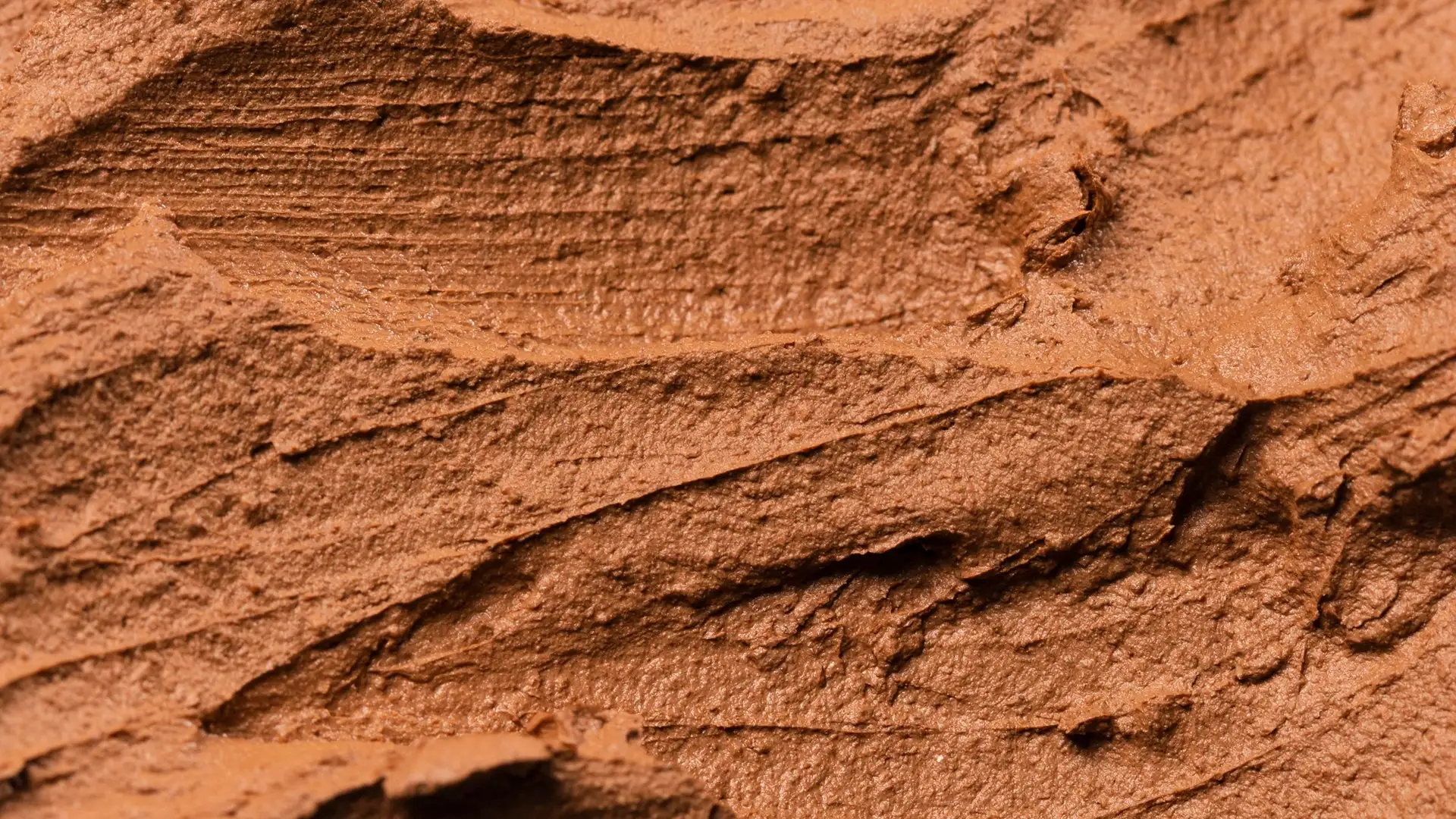
Portola’s published guidance points away from grease zones, and a range hood lives directly above one. VesaPainters still takes on Roman Clay hood projects, but only with informed consent: the client understands what the finish is, what it will collect over a cooktop, and how it has to be maintained. This article lays out what Portola says, what it does not say, and the terms under which a clay hood makes sense.
Weighing a Roman Clay hood? Request a free in person estimate and we will talk through the grease question before the color one.
Does Portola recommend Roman Clay for a range hood?
Portola’s published materials do not name range hoods at all, and the closest guidance they give points away from the cooktop zone. The technical data sheet states that Roman Clay is not resistant to some oils and harsh chemicals and is not recommended for areas where grease or harsh chemicals may be present, naming the kitchen backsplash as the example.
A hood is not a backsplash. It sits higher, takes less direct splatter, and some hoods over strong ventilation stay surprisingly clean. But it lives in the same air: vaporized cooking oil rises, and part of it settles on the hood face. We treat the backsplash guidance as the honest reference point rather than pretending the hood is a different world.
What happens to Roman Clay above a cooktop?
Over time, airborne grease settles into the finish, and no sealer in Portola’s lineup makes that consequence disappear. Portola describes the Roman Clay Topcoat as a low sheen sealer that protects against dirt and water, and states plainly that it does not waterproof or stain proof the finish. In higher moisture areas Portola allows multiple thin coats of the sealer for added protection, noting that each layer adds sheen.
Cleaning is bounded too. With the Topcoat applied, Portola’s care guidance is mild dish soap without dyes or perfumes, warm water, and the soft side of a sponge. Strong degreasers are exactly the harsh chemicals the data sheet warns about. And if a stain sets anyway, Portola’s care page notes that a touch up can be attempted but is hard to blend invisibly.
When does a Roman Clay hood still make sense?
It makes sense when the look is worth the maintenance, and the homeowner decides that with open eyes. The practical factors we walk through on site: how high the hood face sits above the burners, how strong the ventilation is and whether it actually gets used, and how the kitchen cooks, because a daily wok kitchen and an occasional pasta kitchen age the same surface very differently.
When a client wants the finish after that conversation, VesaPainters takes the project on clear terms. The Topcoat is required, not optional. We recommend refreshing it periodically, in line with Portola’s advice to reapply the sealer every few years in high contact areas. And the client signs off knowing the surface will need that care. What we do not do is promise the finish will stay spotless above a cooktop; that promise is not ours to make.
What are the alternatives for the hood zone?
If the maintenance conversation lands wrong, the hood does not have to lose the mineral look entirely. Portola itself directs millwork and cabinetry to its acrylic and enamel series, so a painted hood in a matching color is the low maintenance route. Limewash is not the fix either: Portola seals it with a matte wall sealer suited only to whites and lighter colors, and none of these sealers claim grease proofing. Some clients keep Roman Clay on the kitchen’s far walls and take the hood in paint or tile; how the three finishes compare side by side is in [Roman Clay vs Venetian plaster vs limewash](/blog/roman-clay-vs-venetian-plaster-vs-limewash/).
The request itself is a Los Angeles pattern. Plaster look hoods anchor a lot of recent kitchen remodels across the San Fernando Valley, and the question comes up steadily in kitchens from Sherman Oaks to Studio City. Encino and Beverly Hills projects often arrive with the hood custom framed and drywalled, which at least means the substrate is smooth. VesaPainters handles Roman Clay finishes across Greater LA, and a hood is quoted like any surface we do: labor only, Portola material purchased separately, prep and sealer as their own lines.
Frequently Asked Questions
Does Portola recommend Roman Clay for range hoods?
Portola’s published materials do not name range hoods. The closest guidance is the data sheet advising against areas where grease or harsh chemicals may be present, with the kitchen backsplash named as the example, so the guidance points away from grease zones.
Will the Topcoat protect a Roman Clay hood from grease?
It helps, with limits. Portola describes the Topcoat as a low sheen sealer that protects against dirt and water, and states that it does not waterproof or stain proof the finish. Multiple thin coats add protection and add sheen.
How do you clean a Roman Clay range hood?
With the Topcoat applied, Portola advises mild dish soap without dyes or perfumes, warm water, and the soft side of a sponge. Strong degreasers count as the harsh chemicals the data sheet warns against.
Can a grease stain on Roman Clay be repaired?
A touch up can be attempted, and Portola notes it is hard to blend invisibly. That is part of the informed consent conversation before we take on a hood.
A Roman Clay hood is a look with a real maintenance bill attached, and the right way to buy it is with that bill on the table. Send photos of your kitchen and hood, or book a free in person estimate, and we will lay out the terms, the sealer plan, and the alternatives before any commitment.